Katoey Culture in Thailand 10 Things You Should Know

Thailand is often described as one of the world’s most visible places for transgender women and gender-diverse people. That visibility is real, especially in entertainment, beauty, nightlife, and popular culture. But visibility is not the same as full equality.
To understand katoey culture in Thailand, it helps to look beyond postcard images and tourist assumptions. The story includes language, family life, religion, work, pageants, law, media, and everyday respect. It also includes contradictions. A person can be celebrated on stage and still face barriers at school, at work, or in government paperwork.
This guide covers 10 useful things to know, with care for both Thai context and the lived experiences of transgender people.
1. The word has a long cultural history
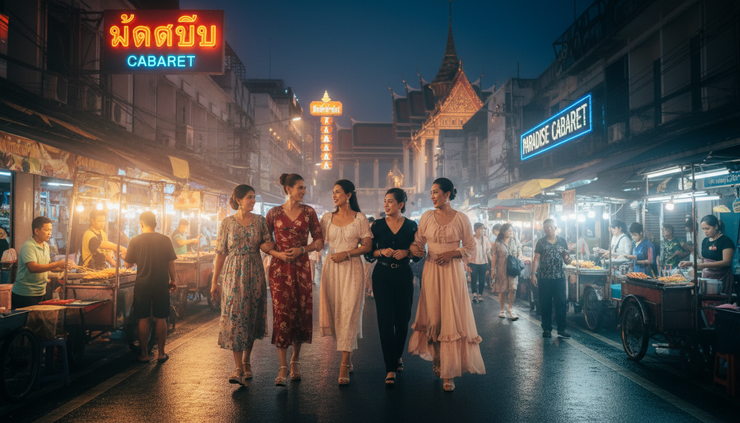
The Thai word often written in English as katoey or kathoey is not a new label created for tourism. It has existed in Thai language and culture for a long time, though its meaning has shifted across generations.
In everyday Thai speech, it is often used for transgender women, feminine gay men, or people assigned male at birth who express femininity. That range can make the term confusing in English, where people often expect one word to match one fixed identity.
The safest approach is simple: use the words a person uses for themself. Some people are comfortable with katoey. Others prefer “trans woman,” “woman,” or other terms. Context matters, and so does tone.
A useful tip: when writing or speaking about the community, avoid treating one label as universal. Thai gender language has its own history, and direct translation can flatten it.
2. Katoey identity is not exactly the same as Western transgender categories
Thai gender identity is shaped by local language, family roles, religion, school culture, media, and region. Western LGBTQ+ terms are widely understood in cities and online spaces, but they do not always map neatly onto Thai experiences.
Some people who outsiders might call transgender women identify strongly as women. Some identify as katoey. Others may use several words depending on the setting. A person might describe themself differently with friends, family, doctors, employers, and official institutions.
That does not mean the identity is unclear or less real. It means identity lives in culture.
This matters because respectful understanding starts with listening. A visitor, writer, or researcher should not assume that one English term explains everyone’s experience.
3. Visibility is high, but acceptance is uneven
Thailand has a global reputation for tolerance. Compared with many countries in the region, gender-diverse people are highly visible in public life. They appear on television, in beauty pageants, in restaurants, salons, cabarets, universities, online media, and nightlife districts.
Still, visibility can hide real challenges.
A transgender woman may be warmly accepted by neighbours but rejected by an employer. A performer may be admired on stage but mocked in daily life. A student may be allowed to express femininity socially but still face strict uniform rules or bullying at school.
Acceptance also varies by family, class, religion, age, and location. Bangkok, Pattaya, Chiang Mai, Phuket, and other major areas may offer more visible communities, but even there, life is not automatically easy.
Visibility can open doors, but it does not guarantee dignity, safety, or equal rights.
4. Family relationships often shape the experience
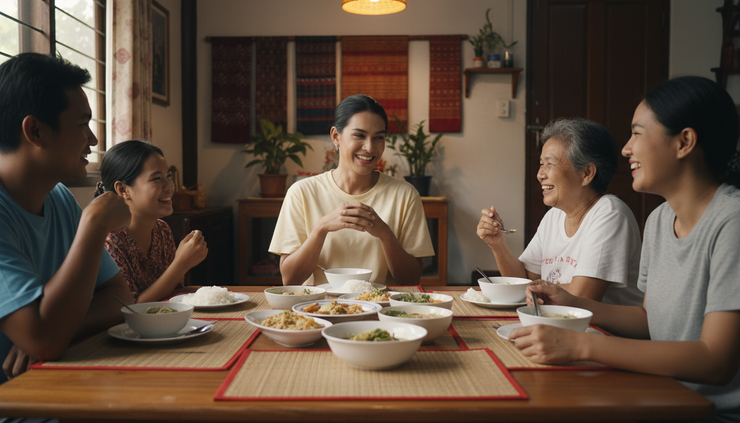
Family is central in Thai life. For many gender-diverse people, family acceptance affects education, housing, mental health, career options, and social confidence.
Some families become supportive over time. A parent may first worry about social judgment, then later take pride in a child’s talent, kindness, or ability to help the household. In other cases, family pressure can be painful. Some people hide their identity, delay transition, or move away to build independence.
Thai ideas of gratitude and family duty also play a role. Many transgender women support parents or siblings financially, which can change family attitudes. But acceptance should not depend on earning money or proving usefulness.
The more honest picture is mixed. There are loving families, strained families, and families still learning.
5. Buddhism influences attitudes, but it does not create one single view
Thailand is a mostly Buddhist country, and Buddhist ideas affect social attitudes toward gender and sexuality. Some people see gender diversity through ideas of karma, compassion, or tolerance. Others use religious or cultural beliefs to explain why someone is different.
This can produce both kindness and stigma.
In some settings, Buddhist compassion supports a “live and let live” attitude. People may avoid open confrontation and allow gender-diverse people to participate in community life. At the same time, beliefs about karma can lead some people to treat being transgender as a burden from a past life. That view may sound gentle, but it can still frame identity as misfortune.
Thai culture also values social harmony. This can reduce public conflict, but it can also pressure people not to challenge discrimination directly.
Religion is part of the story, not the whole explanation.
6. Entertainment and pageants play a major role
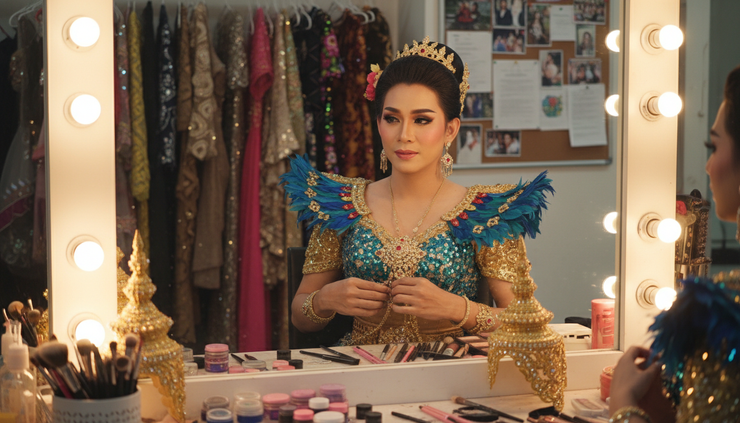
Katoey culture is strongly linked in the public imagination with cabaret, beauty contests, television, and online entertainment. Famous pageants and stage shows have given many transgender women a route to fame, income, and recognition.
These spaces can be powerful. They create community, celebrate beauty and talent, and offer role models for younger people. They also show audiences that transgender women can be glamorous, funny, skilled, disciplined, and charismatic.
But there is a risk when entertainment becomes the only frame. Not every transgender woman wants to perform, compete, or be judged by beauty standards. Many work in ordinary jobs, study, run small businesses, care for family members, or live quiet lives away from the spotlight.
Pageants and cabarets are part of the culture. They are not the whole culture.
7. Careers are broader than tourists often assume
Tourist media often narrows transgender life in Thailand to nightlife or performance. That picture is incomplete and sometimes harmful.
Transgender women and gender-diverse people work across Thai society. You may meet them in beauty services, fashion, hospitality, food businesses, retail, entertainment, online content, education, health outreach, administration, and entrepreneurship. Some build careers in highly visible industries. Others face closed doors because employers judge appearance, legal documents, or customer reactions.
Workplace discrimination can be subtle. A person might be told they are “not suitable” for a front-facing role. They may be asked intrusive questions. Their ID documents may not match their gender expression, creating awkward or humiliating moments during hiring.
A better understanding of katoey culture should include economic reality, not only glamour.
8. Language can show respect or reduce people to stereotypes
Many visitors first hear the English word ladyboy in tourist areas, bars, forums, or travel videos. Some people use it casually, and some performers may use it for business because tourists understand it. Still, the word can feel objectifying or outdated, especially outside nightlife contexts.
Respectful language depends on setting. “Transgender woman,” “Thai trans woman,” “woman,” or the person’s own chosen term is often safer in English. In Thai, the right wording may vary with relationship, age, and social context.
Avoid language that turns people into attractions. Phrases that treat transgender women as surprises, traps, jokes, or exotic experiences are disrespectful. They also reveal more about the speaker than the people being described.
A practical rule works well: if the term would sound rude when said directly to someone’s face, do not use it in writing.
9. Legal rights have improved, but gaps remain
Thailand has made important legal progress for LGBTQ+ people. The Gender Equality Act, introduced in 2015, prohibits unfair gender discrimination in many areas. Marriage equality also became a major milestone, with same-sex couples gaining the right to legally marry from 2025.
These changes matter. They affect dignity, families, inheritance, benefits, and public recognition.
At the same time, transgender people still face legal gaps. Legal gender recognition remains limited. Many transgender women cannot easily change the gender marker on official documents to match their lived identity. This can affect travel, banking, education records, employment, healthcare, and encounters with authorities.
Military conscription has also been a difficult area historically, especially because of how gender-diverse people have been classified or documented. Practices have changed over time, but the issue shows how official systems can lag behind real lives.
This section is for general education only and should not be taken as legal advice. Thai law can change, and personal situations need qualified guidance.
10. The best way to understand the culture is to see people as whole people
The biggest mistake is to treat katoey culture as a single story. It is not only nightlife. It is not only pageants. It is not only hardship. It is not only acceptance.
It includes teenagers figuring out who they are, university students negotiating uniforms, daughters supporting parents, performers building public careers, activists pushing for legal change, older transgender women reflecting on a different era, and everyday people who simply want respect.
The more complete view is human and layered.
If you are learning about Thai LGBTQ+ culture, focus on these habits:
Listen before labelling
Let people describe themselves in their own words.
Separate culture from stereotype
A visible image may be familiar, but it may not represent most people.
Respect privacy
Do not ask invasive questions about bodies, surgery, documents, or dating.
Support dignity in daily life
Use correct names, avoid jokes, and treat gender-diverse people as ordinary members of society.
A more honest picture of katoey culture in Thailand
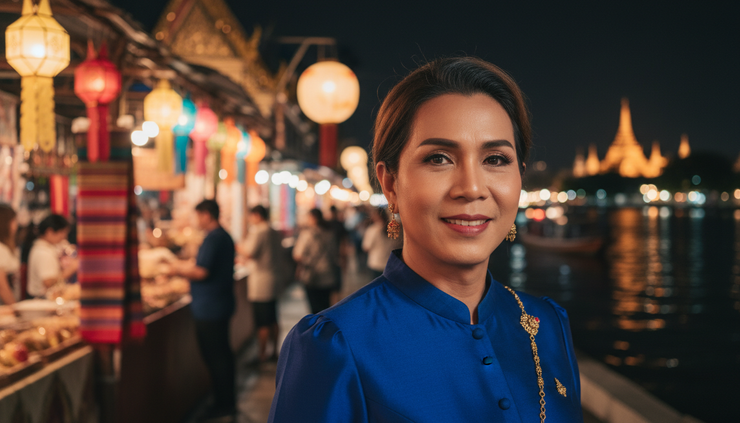
Katoey culture in Thailand is visible, influential, and deeply connected to Thai society. It has shaped entertainment, beauty standards, language, tourism, and LGBTQ+ conversations across Asia. It also reveals the gap between being seen and being fully protected.
The most respectful view avoids both extremes. Thailand is not a perfect paradise for transgender people, and it is not a place defined only by discrimination. It is a country where gender-diverse people have built community, art, careers, and public presence while still pushing against social and legal limits.
Understanding starts with that balance. See the beauty, but do not stop there. See the challenges, but do not reduce people to struggle. The real culture lives in the full lives of the people who create it every day.


Comments